
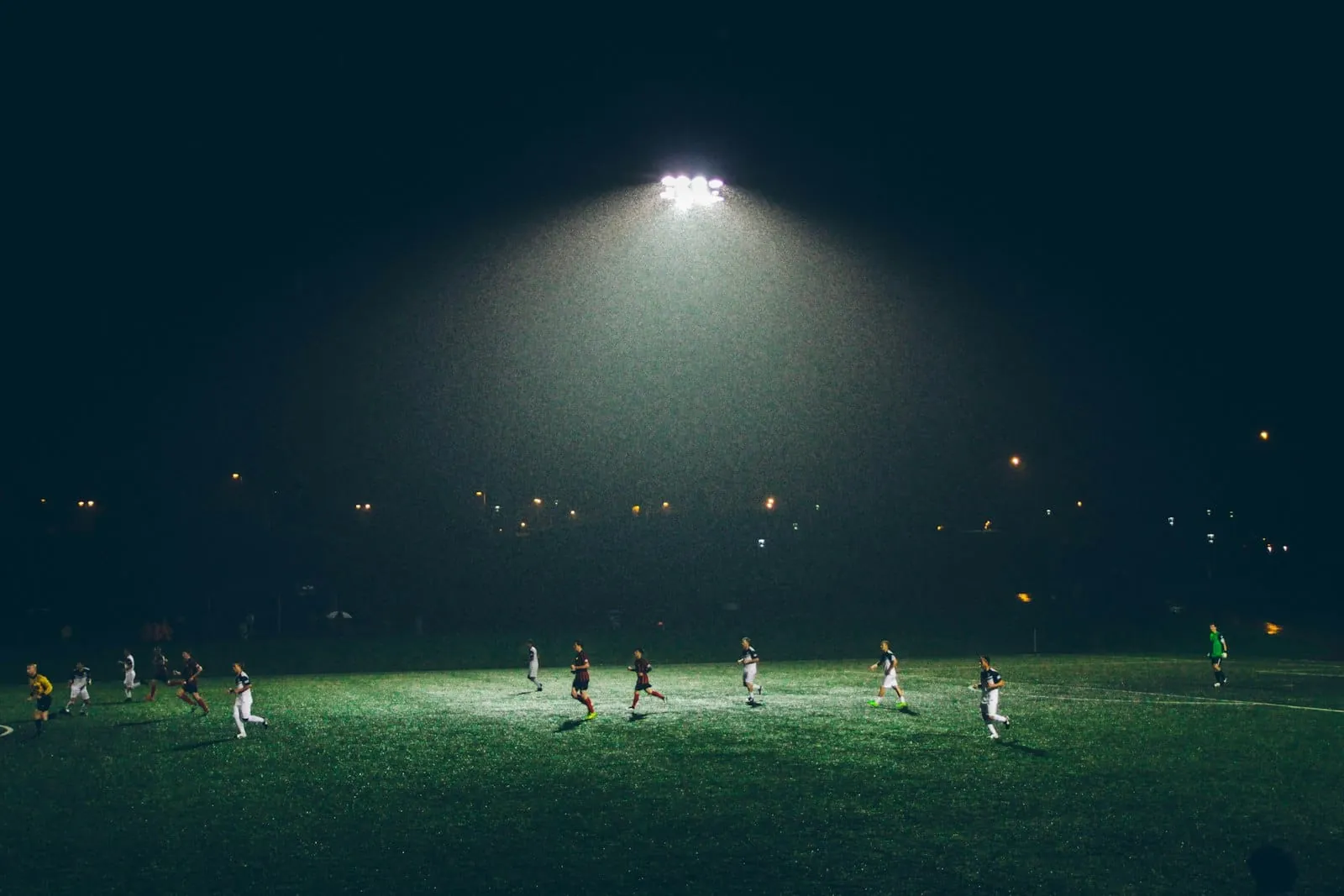
Sora 2, Veo 3 and Runway Gen-4.5: What AI Video Means for a Real Camera Business
The AI video models got frighteningly good in 2025–26. A studio shut down an $800M expansion over it. Here's a clear-eyed look at what these tools can and can't do — and why a real photographer with a real camera is more valuable, not less.
There’s no point pretending it isn’t happening. In late September 2025, OpenAI released Sora 2 — text-to-video with synchronised native audio, improved physics, and embedded Content Credentials. Google’s Veo 3.1 pushed native 4K with synced audio. And on 1 December 2025, Runway’s Gen-4.5 launched and immediately took the top spot on the Artificial Analysis Video Arena leaderboard, beating Veo 3. The pace is genuinely startling.
The impact is real enough that filmmaker Tyler Perry put a planned $800 million studio expansion on hold, citing concern about what Sora means for production. When someone with that much at stake hits pause, it’s worth a working photographer paying attention. So let’s be clear-eyed — neither doom nor denial.
What these tools are actually good at
For a small studio, the honest assessment is that today’s AI video models are excellent at a narrow set of things:
- Concept and mood boards. Pitching a wedding film style or a brand video direction to a client without shooting a frame.
- B-roll and abstract filler. Generic establishing shots, textures, transitions — material with no specific, real subject.
- Social and ad content where the bar is “eye-catching for three seconds,” not “documents a real event accurately.”
A 2025 study in Science Advances found these tools genuinely lower the barrier to entry, letting people with diverse skill sets act on creative ideas. That’s true. It’s also exactly why they don’t replace what we do.
What they fundamentally cannot do
AI video generates plausible footage of things that never happened. That is the entire job description — and it’s the opposite of what a wedding, an event, an industrial inspection, or a family portrait requires. You cannot prompt Sora to attend a couple’s actual ceremony in Smithers. You cannot ask Veo to document the real progress on a Kitimat construction site for an insurance file. The value of those images is precisely that they are real.
There’s also a stability problem the headlines gloss over: OpenAI shut the Sora app down on 26 April 2026, with the API slated to follow. Models rise and fall on quarterly timescales. Building a client deliverable on a tool that might vanish in six months is a real business risk.
The provenance flip side
Every major AI video model now ships some form of synthetic-content labelling — Sora 2’s embedded Content Credentials, Veo’s SynthID. The industry is racing to mark AI output as AI output. The mirror image of that is what makes authentic capture more valuable: in a feed full of labelled-synthetic clips, footage that carries a real camera’s provenance signature stands apart. AI didn’t devalue the real thing — it created the need to prove the real thing, which plays to our advantage.
How a working studio should actually use this
The smart posture isn’t to ban these tools or to lean on them as a crutch. It’s to fold them into the parts of the business where fabrication is fine:
- Pitch faster. Generate a mood film to sell a concept, then shoot the real thing.
- Fill gaps. Use generated abstract b-roll to bridge a sequence when real coverage has a hole — disclosed where it matters.
- Stay literate. Clients will ask about AI. Being able to speak to it knowledgeably — what it does, what it can’t, what you do and don’t use — is itself a selling point.
What this means for shooting in the north
For a Northern BC studio, the AI video wave is less threat than clarifier. It commoditises the generic and the fake, which throws the spotlight onto everything that is specific, local and real — the actual mountain light at a real Skeena wedding, the actual faces of a real family, the actual site you were hired to document. No model can generate the thing that didn’t happen yet but is about to, in front of your lens. Use the AI tools where invention is welcome, lean hard into authenticity everywhere it isn’t, and be the photographer who can explain the difference. That combination is more defensible in 2026 than it has ever been.
More from the Wire
Book a session
Let’s make something worth printing.
See open datesResponse within 24 hours ◆ Terrace & Northern BC