
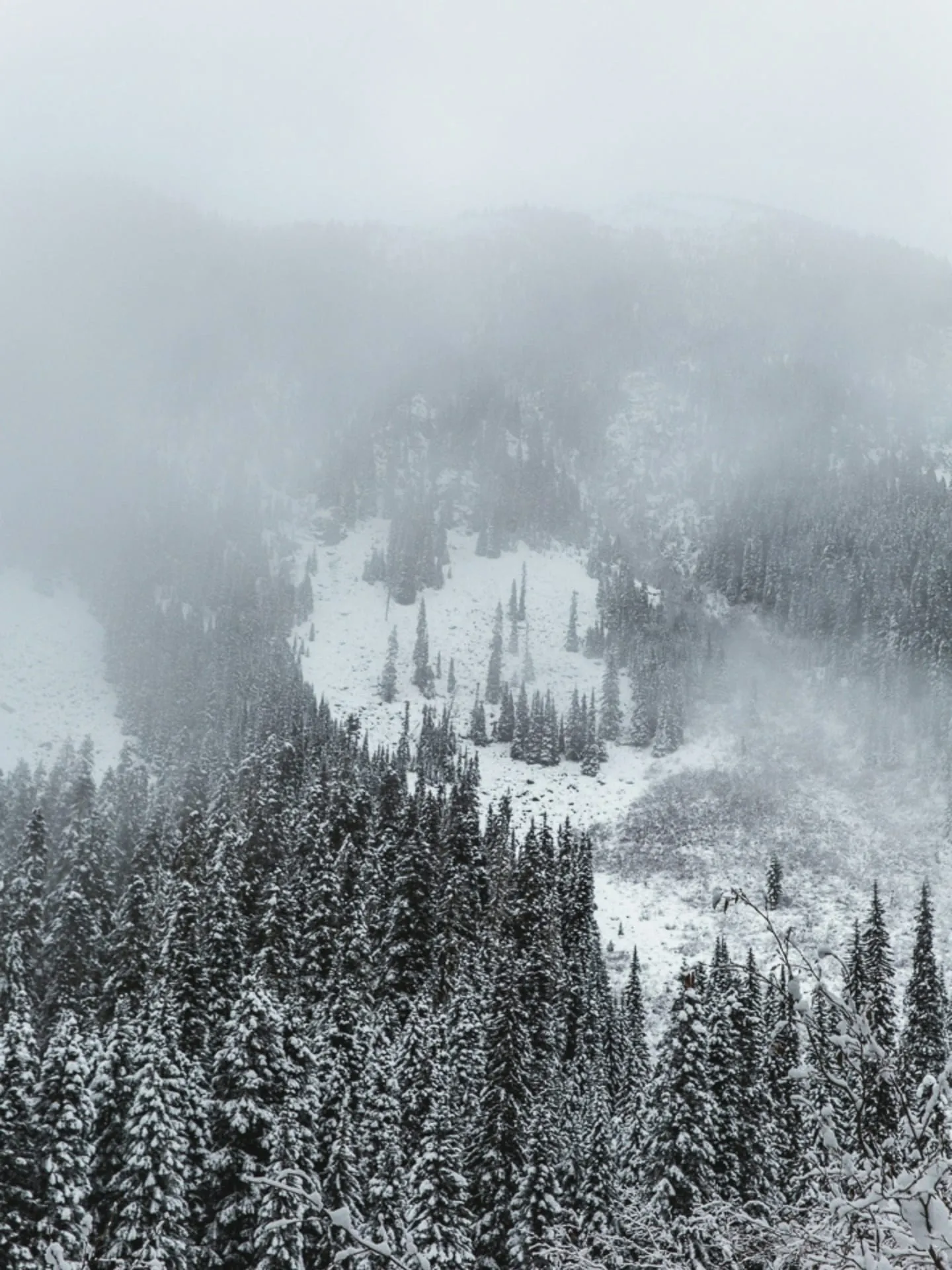
Photographing Bears in the Great Bear Rainforest, Safely, and Without Stressing Them
On the coast near Prince Rupert sits Canada's only grizzly sanctuary. Here is how wildlife photography is done responsibly up here, distance, permits, ethics, and the gear that lets you keep your distance.
Living and working in Terrace means I am a short trip from one of the most remarkable wildlife photography destinations in Canada: the Great Bear Rainforest, and at its northern end, the Khutzeymateen. People come from around the world to photograph grizzlies here. If you are planning that kind of trip, the single most important thing I can tell you is that the ethics and the safety are not an add-on. They are the whole job.
The Khutzeymateen Is Special, and Protected
The Khutzeymateen sits on the northern BC coast, near Prince Rupert, and it is Canada’s only grizzly bear sanctuary. It lies at the northern end of the Great Bear Rainforest, one of the largest intact temperate rainforests left on Earth.
What makes it extraordinary is the relationship between the bears and people. No bear has been hunted there in decades, none has been collared or tranquillised, and no bear has ever obtained human food. Visitors do not go ashore. Because of that, the grizzlies do not see humans as a threat, which is exactly why it works, and exactly why it must be protected.
Access is deliberately limited. You need special permits and licences to operate in the sanctuary, only a small handful of outfitters are licensed to enter the estuary, and fewer than 200 people a year get the privilege. If you want to photograph there, you go with a licensed operator. That is not red tape, it is the reason the place still functions.
Timing
The prime window for the Khutzeymateen is roughly mid-May through mid-June. The bears are present in good numbers, they are active, and the sedges and grasses are still short enough that they do not hide the animal. Later in the season the grass grows up and the bears disappear into it.
The Ethics Come First, Every Time
I will say this plainly because it matters more than any technique: a photograph is never worth stressing or endangering an animal. Every responsible bear-viewing program here runs on guidelines that set safe minimum distances, and photographers are expected to follow them without exception.
That means:
- You let the bear set the terms. You do not approach, you do not bait, you do not block its path.
- You read the body language. If an animal changes its behaviour because of you, you have already gone too far.
- You keep noise and movement low. The goal is to be a non-event.
The reason these bears are photographable at all is that generations of people have respected that line. Break it for one good frame and you degrade the experience for every photographer and every bear that comes after you.
Gear: How You Keep Your Distance
Good wildlife photography up here is, more than anything, an exercise in reach. The long lens is not about laziness, it is the tool that lets you fill the frame while keeping a respectful, safe distance.
- A long telephoto (think 400mm and up, or a 100-400 zoom for flexibility) is the workhorse. It compresses the rainforest behind the bear beautifully and keeps you far away.
- A fast shutter for moving animals, and enough ISO headroom to keep it fast under the dim canopy light. The rainforest is dark; plan for it.
- Weather sealing and a rain cover, because it is a rainforest and it will rain on you.
- A beanbag or stable support on the boat, since most viewing is done from the water.
Bears Closer to Home
You do not have to go to the sanctuary to share the landscape with bears. Around Terrace, Kitimat and Prince Rupert, black bears and the occasional grizzly are simply part of being outdoors. When I am out on a landscape or adventure shoot, I carry bear spray on my hip, not buried in the bag, make noise on blind corners, and never let a frame talk me into closing distance. The same ethics apply whether it is a famous sanctuary or a forest-service road outside town.
If you are an operator, a lodge, or a tourism board wanting responsible, world-class imagery of this coast, that is work I take seriously. Reach out and let us talk about doing it the right way.
More to Explore
Book a session
Let’s make something worth printing.
See open datesResponse within 24 hours ◆ Terrace & Northern BC