
Cold-Weather Photography: A Field Guide from a Northern BC Winter
Dead batteries, fogged sensors, and gloves you can't shoot in. Everything I have learned about keeping gear and fingers working through a Skeena Valley winter.
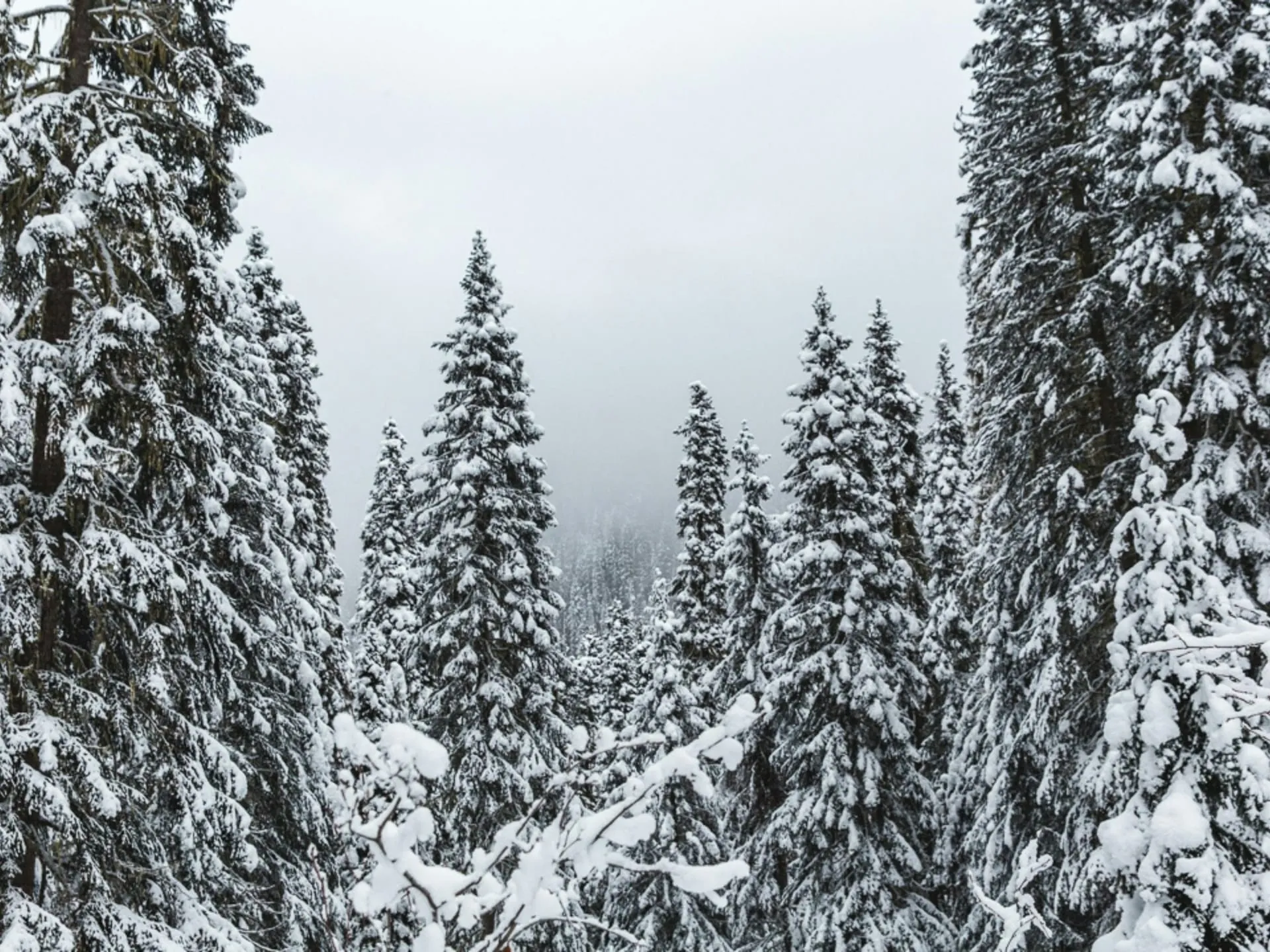
Winter is when this region looks its absolute best, snow-laden conifers, fog sitting in the valleys, the low sun raking across white peaks. It is also when your gear is most likely to betray you. After enough cold mornings out along the Skeena, I have built a routine that keeps the camera shooting and my hands working. Here is the whole thing.
Batteries Die Fast, Plan Around It
This is the first thing every winter shooter learns. Cold slows the chemical reaction inside a lithium battery, which temporarily cuts its capacity. A battery that runs all day in July can fade in under an hour at minus 15.
The fix is simple discipline:
- Carry several spares and keep them in an inside jacket pocket, against your body. Your body heat keeps them alive.
- Rotate. When the camera battery weakens, swap in a warm one and let the cold one recover in your pocket. A “dead” cold battery often revives once it warms.
- Cut your power draw. Resist chimping after every frame, dim the screen, and turn off Live View and unneeded features. Every bit of screen time is battery you do not have.
Condensation Will Ruin a Sensor, Acclimate, Do Not Just Charge Inside
This is the one that actually damages gear. When you bring a freezing camera into a warm car, lodge, or house, moisture condenses on the cold metal and glass, including inside the body and lens. Do it repeatedly and you invite mould and corrosion.
The trick costs nothing: before you go indoors, seal the camera and lenses in a large zip-top bag while they are still cold. The condensation then forms on the outside of the bag, and the gear warms up slowly in dry air. Leave it bagged until it reaches room temperature, then unpack. I do this every single time, no exceptions.
Autofocus and Manual Focus
Cold can stiffen focus mechanisms and make autofocus hunt endlessly, especially in low-contrast snow scenes where there is nothing for the system to lock onto. In those conditions I switch to manual focus and slow down. It is also worth knowing that snow fools your meter, it reads all that brightness and tries to make it grey. I routinely dial in positive exposure compensation to keep snow looking white instead of muddy.
Protecting the Body and Lens
- Use a padded bag. It cushions impacts and insulates the gear against the cold between shots.
- Keep a weather cover on for blowing snow, and a microfibre cloth handy, snowflakes melt on a warm front element instantly.
- Avoid breathing on the viewfinder or rear element. Your breath fogs and then freezes.
Keep Yourself Working Too
The best gear plan is useless if your hands stop functioning. I use a layered glove system, a thin liner glove I can keep on to operate the camera, under a warm over-mitt I pull off only for the shot. Hand warmers in the pockets keep the liner-glove fingers usable. And I keep moving; standing still on a frozen riverbank for an hour is how you end a shoot early.
The Reward
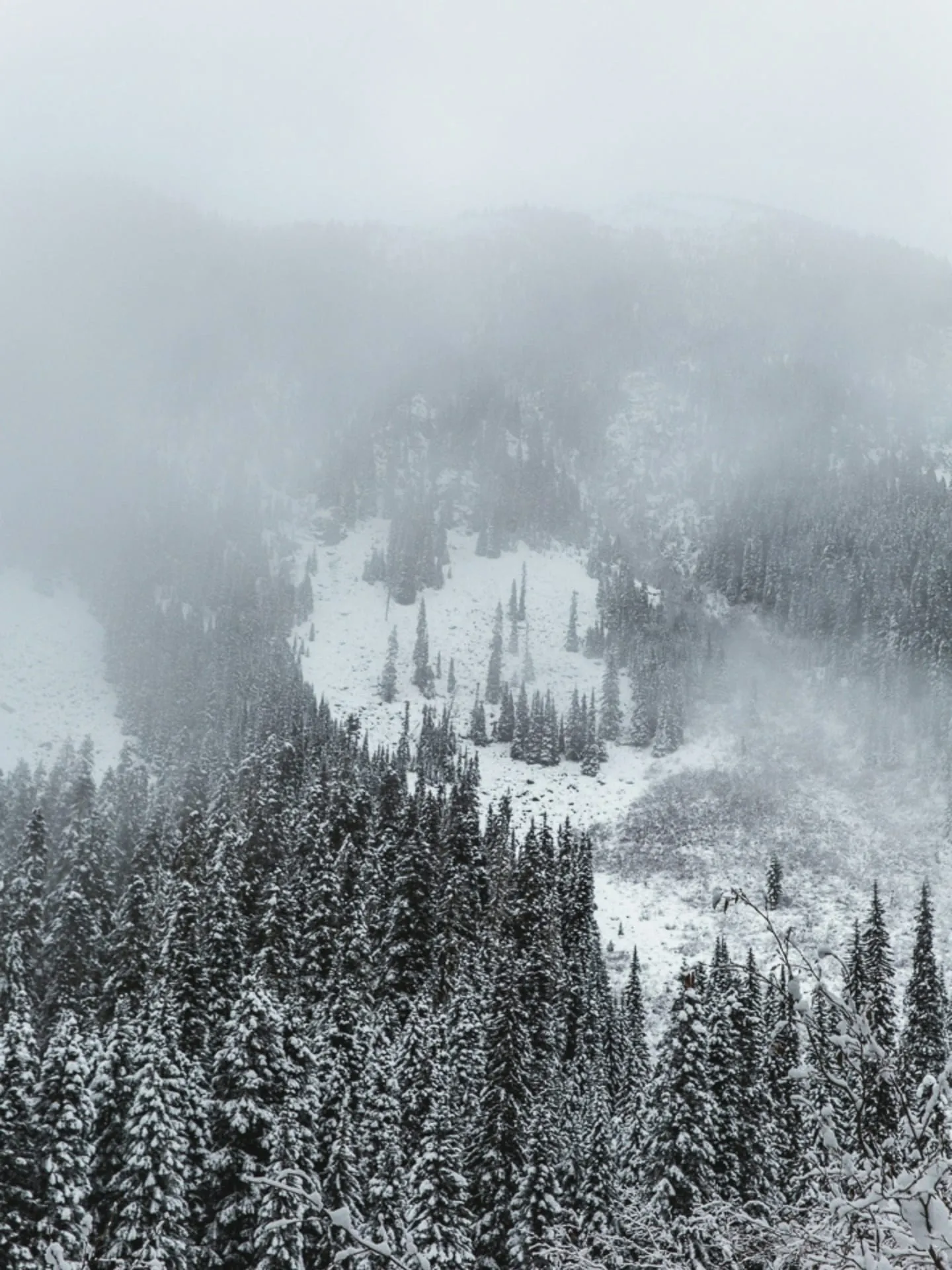
All of this exists so you can be out there in the conditions most people stay home for. Some of my favourite Skeena Valley frames, fog tunnels through snow-laden spruce, the river running copper against white peaks, only happen in deep winter. The photographers willing to manage the cold get images nobody else has.
If you want winter portraits, a seasonal session, or tourism imagery that actually shows what a Northern BC winter looks like, this is the season I love shooting. Let us pick a clear morning.
More to Explore
Book a session
Let’s make something worth printing.
See open datesResponse within 24 hours ◆ Terrace & Northern BC