
Working with Northern Light: How the Sun Behaves Up Here, and How to Shoot It
Long golden hours in June, a sliver of daylight in December, and overcast as the default. A practical guide to reading and using the light in the Skeena Valley.
The single biggest difference between shooting in Northern BC and shooting somewhere like Vancouver or Toronto is the light. Our latitude changes how the sun moves through the sky across the year, and if you do not plan around it, the light will plan around you. Here is how I read it and use it.
The Year Is Two Different Worlds
In June, the sun is up past 9:30 in the evening and the golden hour stretches long and lazy. You get a generous, forgiving window to work with warm light. In December, the opposite is true: usable daylight is a narrow band in the early afternoon and the sun never climbs high above the ridgelines.
This completely reorganises how I schedule. Summer weddings get their ceremonies pushed late so the couple is lit by that long evening gold. Winter portrait and family sessions get squeezed into the middle of the day, because by mid-afternoon in December the light is already gone. Booking a 4 pm winter session and expecting daylight is a beginner mistake I see all the time.
Low Sun Is a Gift
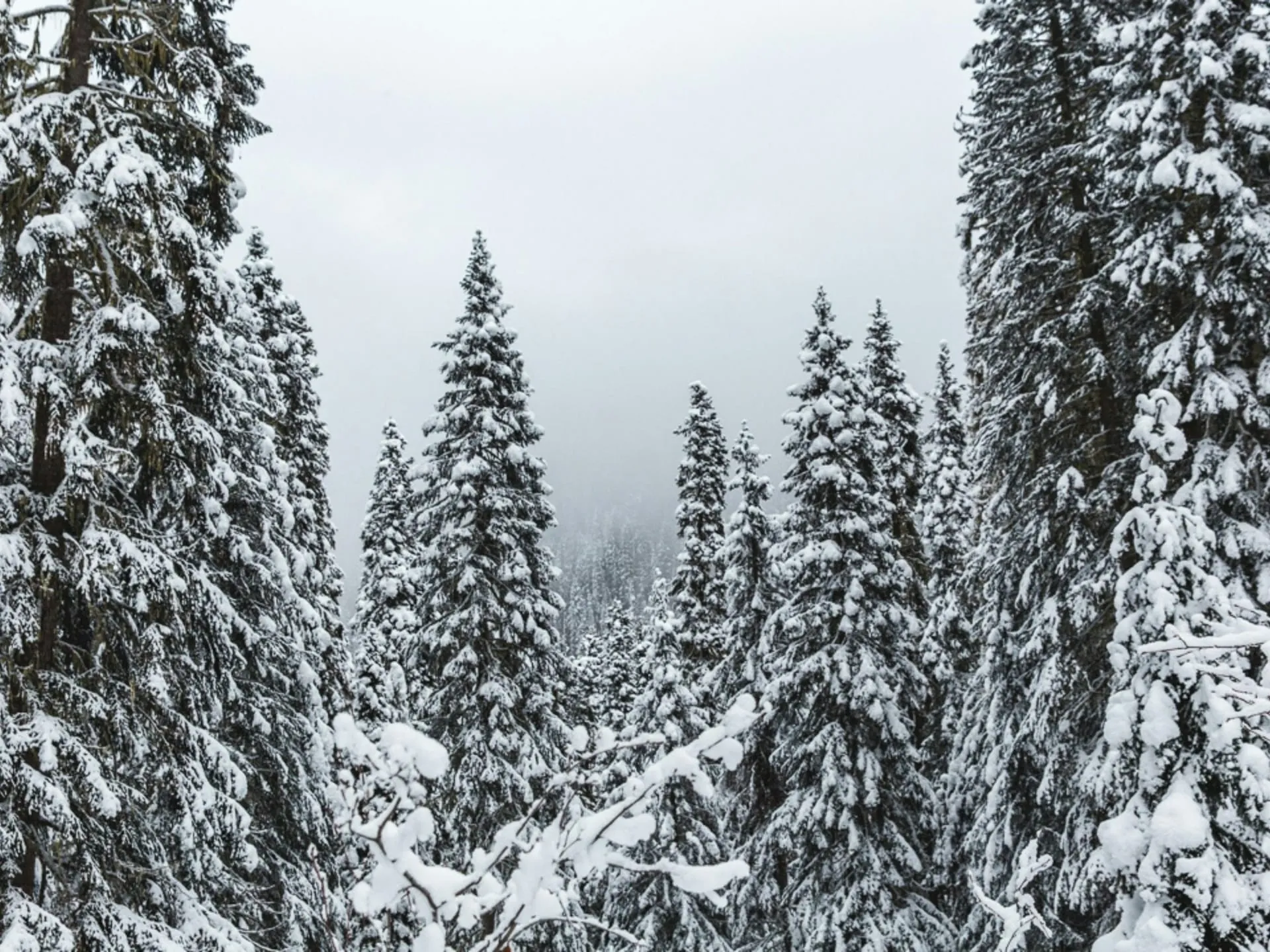
Here is the upside of being this far north: for a large part of the year, the sun stays low. Low sun means long, raking, directional light, the kind portrait and landscape photographers chase. It skims across snow, lights up water, and rim-lights the cottonwoods along the river. In the depths of winter you can effectively get golden-hour quality light for much of the short day, because the sun never gets harsh and high.
I lean into this hard. Side light reveals texture, the ridges in bark, the grain of snow, the lines on a face. When the sun sits low over the Kitsumkalum peaks, I position subjects so that light rakes across them rather than hitting them flat-on.
Overcast Is Not the Enemy
Be honest about where you live. In the Skeena corridor, flat overcast and coastal mist are the default condition, not the exception. If you only know how to shoot in blue-sky golden hour, you will be disappointed most of the year.
Overcast is actually superb light for a lot of work:
- Portraits and headshots. A grey sky is the world’s biggest softbox. It wraps soft, even light around a face with no harsh shadows. Some of my best corporate headshots are shot on days other people would call gloomy.
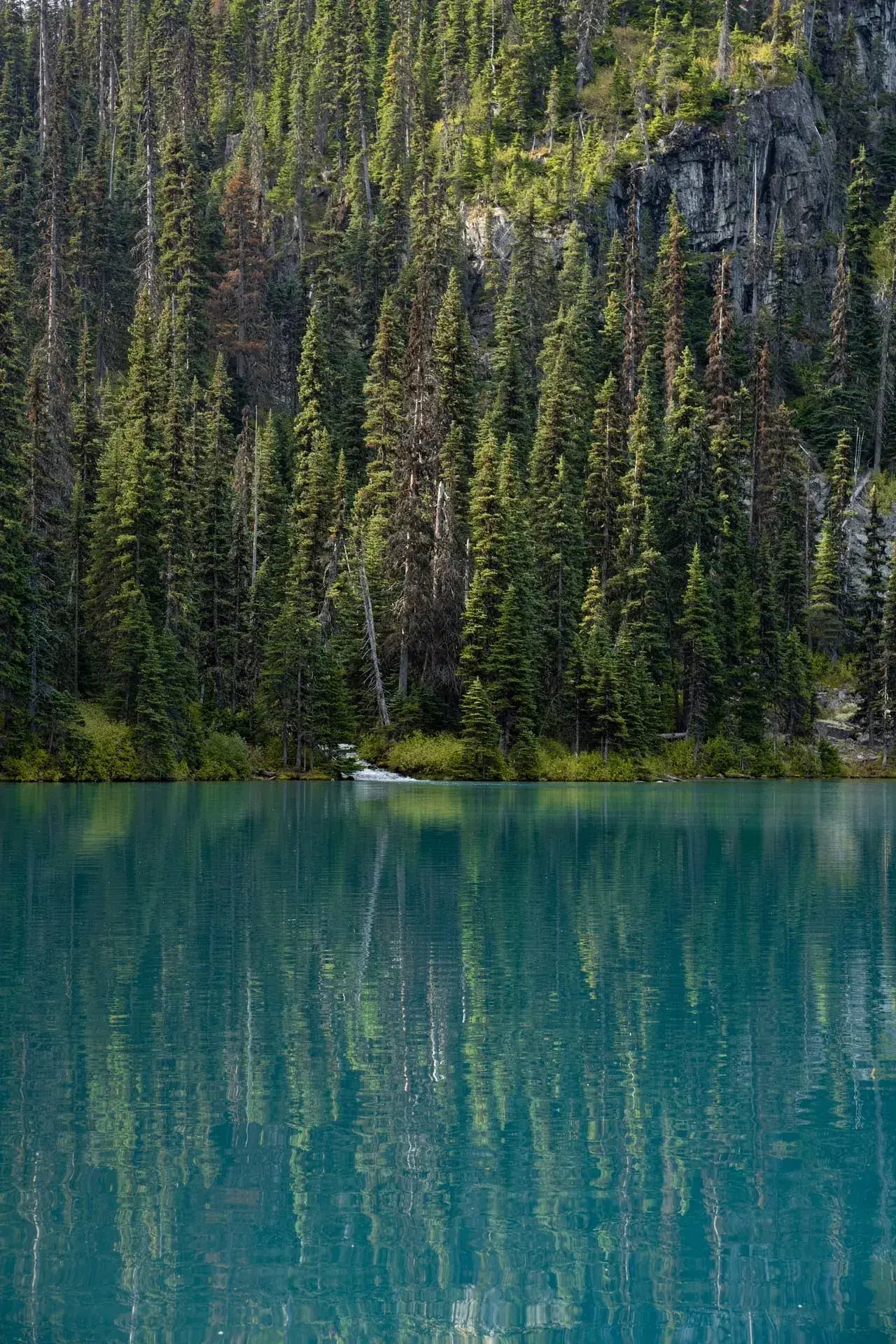
- Forests and waterfalls. Flat light keeps you from blowing out highlights on moving water and lets the greens of the rainforest sing. Pair it with a slow shutter and a tripod and you get silky water with detail intact.
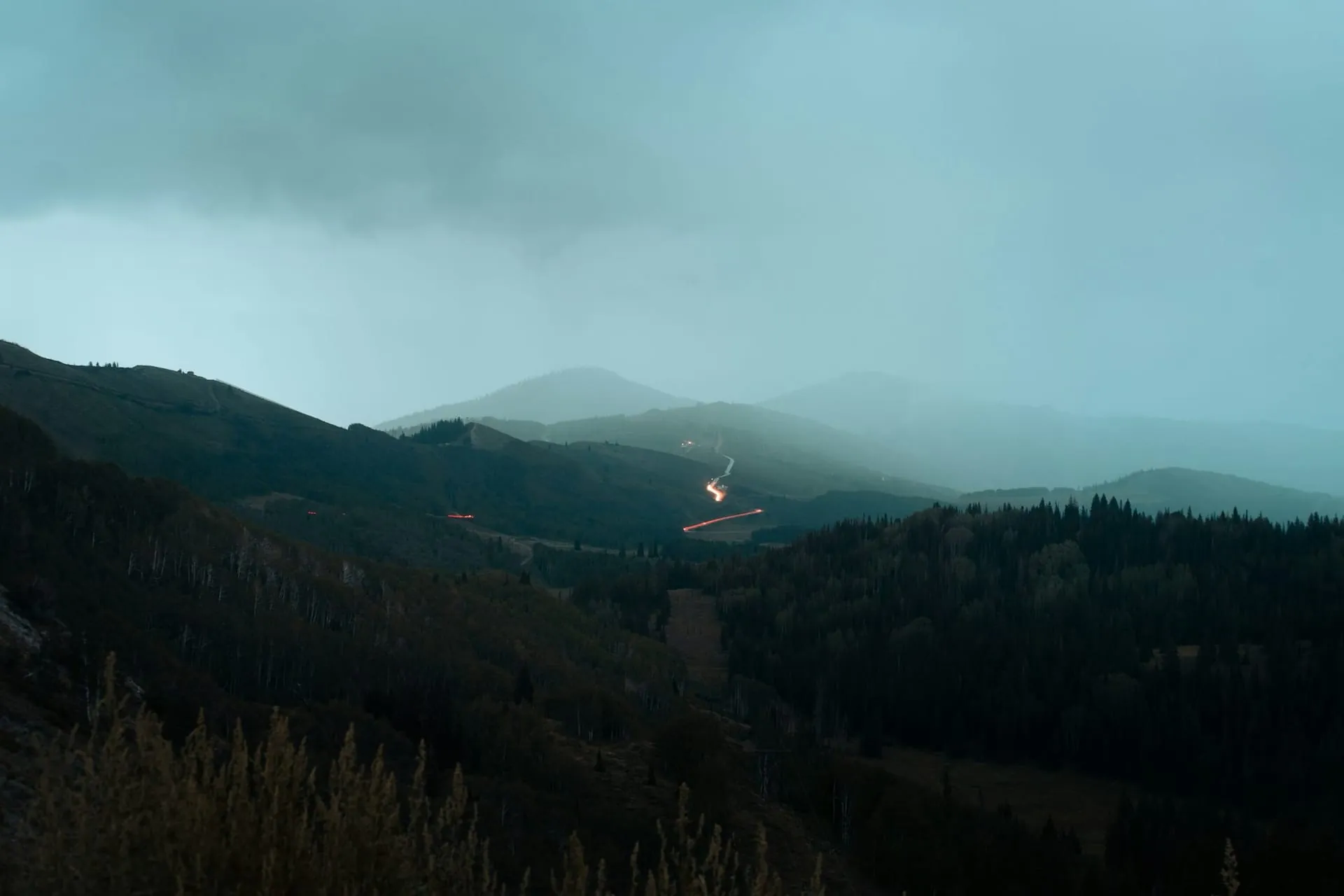
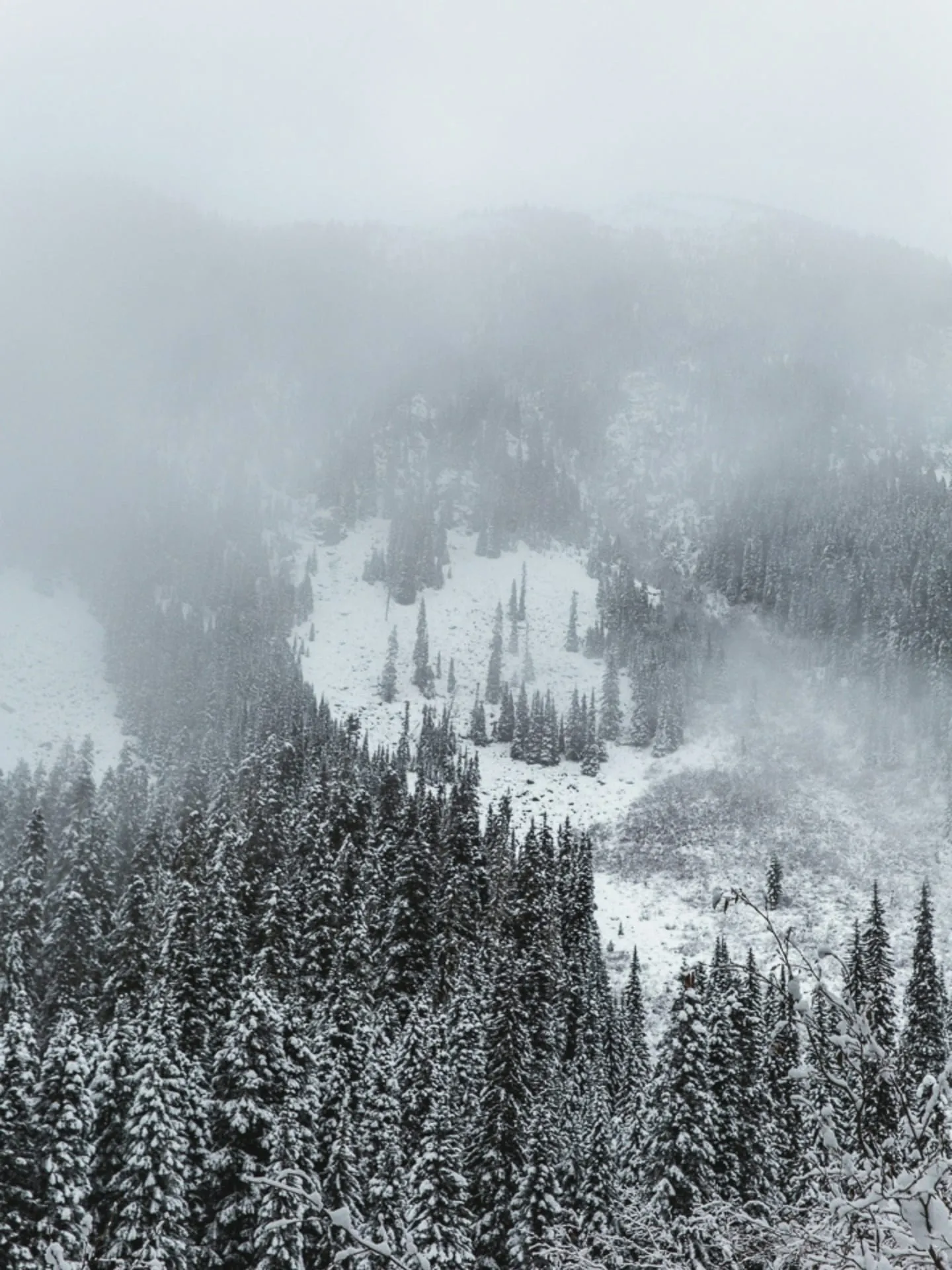
- Mood. Mist sitting in a valley is not bad weather. It is atmosphere you cannot manufacture. I will take a foggy morning over a cloudless one almost every time.
Reading the Sky Before You Drive
Up here the forecast is unreliable, so I have learned to read conditions in real time. A grey morning can crack open into ten minutes of extraordinary light, and a promising blue sky can fill with valley fog by the time you arrive. The discipline is to show up, be set up early, and be ready when the light turns, because the best light is often brief and unannounced.
The Takeaway
You do not fight northern light, you schedule around it and use what it gives you. Long gold in summer, low directional light in winter, soft overcast as a daily tool. Once you stop wishing for the conditions of somewhere else, this becomes one of the most rewarding places in Canada to shoot.
If you want a session timed properly to the season and the light, a wedding, a portrait, or a landscape collection of your own, that timing is half of what you are paying a local for. Let us plan it.
More to Explore
Book a session
Let’s make something worth printing.
See open datesResponse within 24 hours ◆ Terrace & Northern BC