
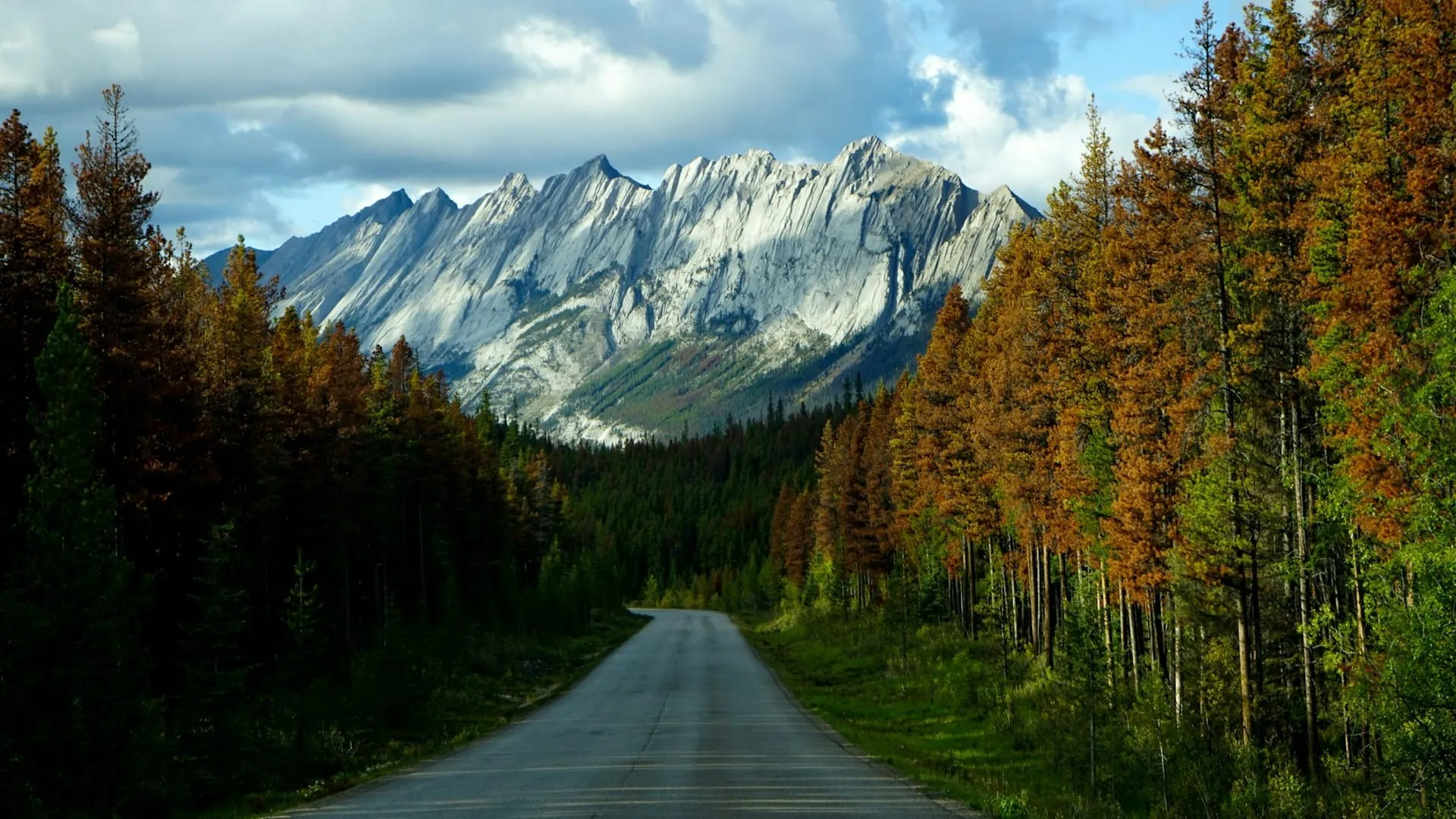
What It Actually Takes to Shoot in Northern BC: The Honest Version
Mist, sideways rain, dead batteries, bears on the trail, and light that changes its mind every ten minutes. A working photographer in Terrace on the real challenges of shooting up here.
People see the final frame, the river glowing copper at dusk, the bride laughing under a wall of cedar, and assume it was a calm afternoon. It almost never was. Shooting in Northern BC is one of the most rewarding things I do, and it is also a steady fight against weather, light, distance, and the occasional 300-kilogram complication. Here is the unglamorous version.
The Weather Does Not Negotiate
Terrace sits in a coastal-transition zone. We get the moisture that rolls in off the Pacific up the Skeena corridor and the cold that spills down from the Interior. The practical result is that the forecast is a suggestion, not a plan.
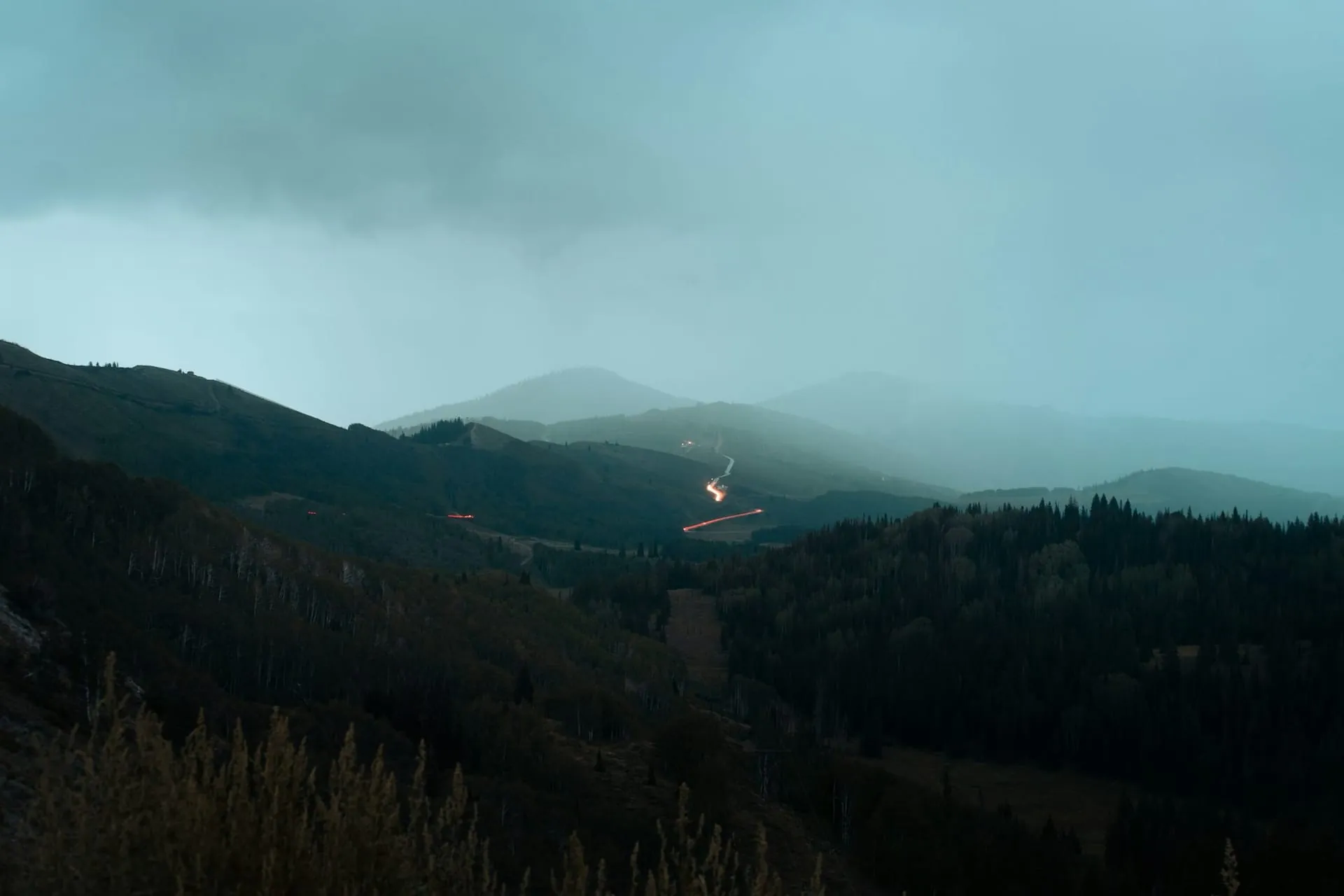
I have driven 90 minutes for blue-sky golden hour and arrived to a valley packed solid with fog. I have also had a grey, hopeless-looking morning crack open into ten minutes of the best light I have shot all year. The lesson, learned the hard way, is that you show up anyway. The frames that make a portfolio almost always come from the days you nearly cancelled.
What this means in practice:
- Every camera and lens I bring on a location shoot is weather-sealed, and I still carry a microfibre cloth in every pocket because sealing does not stop a lens element from fogging.
- I keep a rain cover on the bag, not in it. By the time you stop to dig one out, the gear is already wet.
- I shoot a lot in what most people would call bad light, because flat overcast is actually the dominant condition here, and learning to make it work is non-negotiable.
Light This Far North Behaves Differently
In June, the sun is up past 9:30 pm and golden hour stretches for what feels like an hour. In December, the usable light is a narrow window in the early afternoon and the sun never climbs high. If you plan a winter portrait session for 4 pm, you are shooting in the dark.
The flip side is that our low sun angle gives long, raking light for a big chunk of the year. Snow, water, and the cottonwoods along the river all pick it up beautifully. I have reorganised how I schedule sessions entirely around the season, summer weddings get late ceremonies, winter family shoots get squeezed into the middle of the day.
Remote Access Is Half the Job
A lot of the best locations around Terrace, Kitimat and Prince Rupert are not roadside pull-offs. Getting to them means a forest-service road, a trail, or both. That changes everything about how I pack.
When I shoot something like Kleanza Creek or the trails up toward Shames, I am carrying gear up a grade, which forces ruthless decisions about what is worth its weight. I would rather bring two lenses I will actually use than six I might. And I always tell someone where I am going and when I will be back, because cell coverage out here disappears fast.
Cold, and What It Does to Equipment
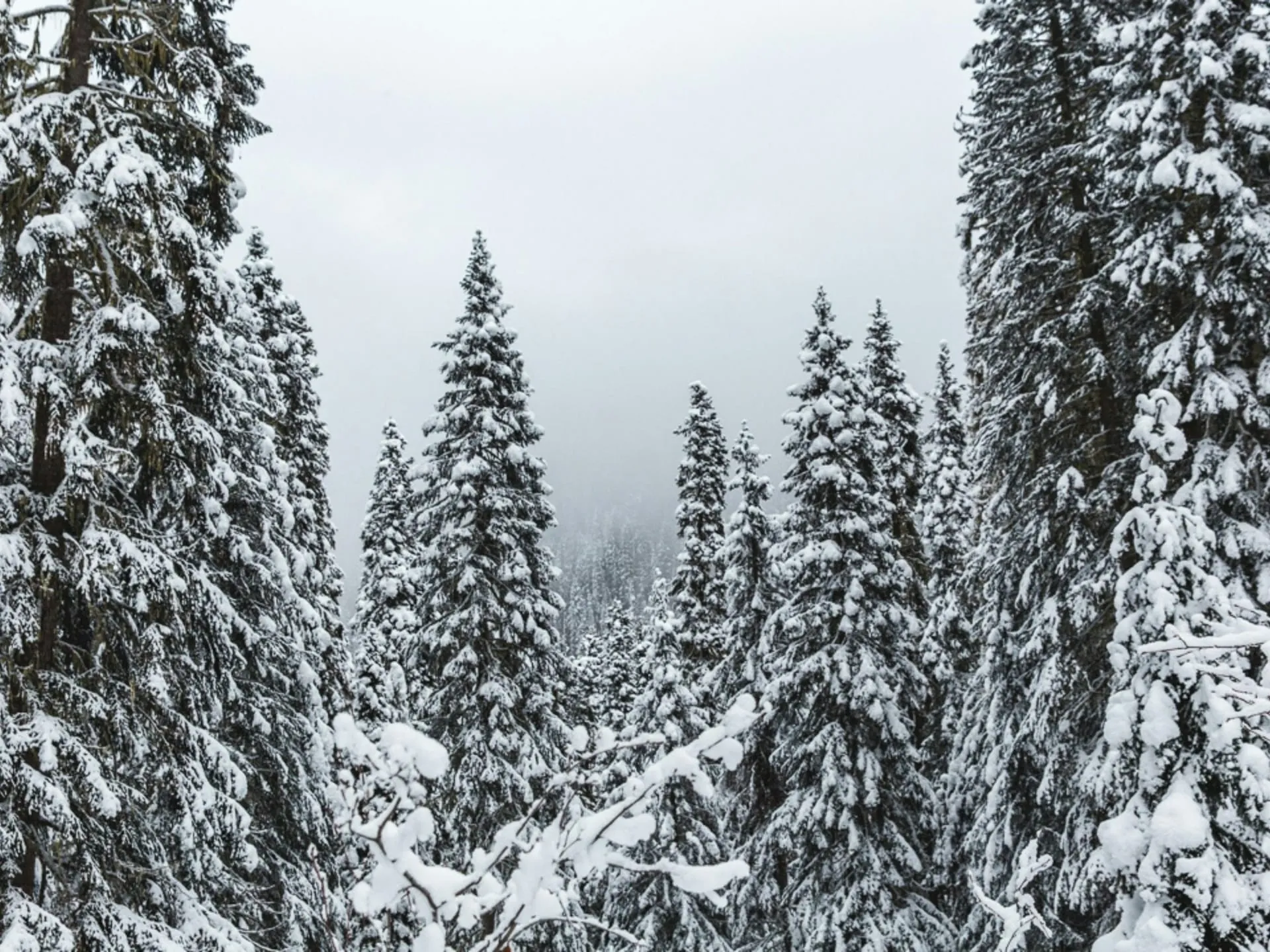
Winter shooting up here is its own discipline. Cold drains batteries shockingly fast, the chemical reaction inside a lithium cell slows down in the cold, so a battery that lasts all day in summer can die in an hour at minus 15. I carry spares in an inside jacket pocket, against my body, and rotate the warm one in when the cold one fades.
The bigger danger is condensation. Bring a freezing-cold camera straight into a warm car or building and moisture condenses on, and inside, the gear instantly. The fix is simple and I do it religiously: before going indoors, I seal the camera in a large zip bag and let it warm up slowly. The condensation forms on the outside of the bag instead of on my sensor.
Yes, There Are Bears
This is the question every visiting photographer asks, and the answer is: yes, regularly, and you plan for it. We share this landscape with black bears and grizzlies, and on the coast near Prince Rupert the Khutzeymateen is literally Canada’s only grizzly sanctuary.
I carry bear spray on my hip, not in the bag, whenever I am off the road, I make noise on blind corners, and I never, ever let a good shot talk me into closing distance on a bear. A long lens exists precisely so you do not have to. The animal was here first, and a photograph is never worth stressing wildlife or risking a bad encounter.
Why I Stay
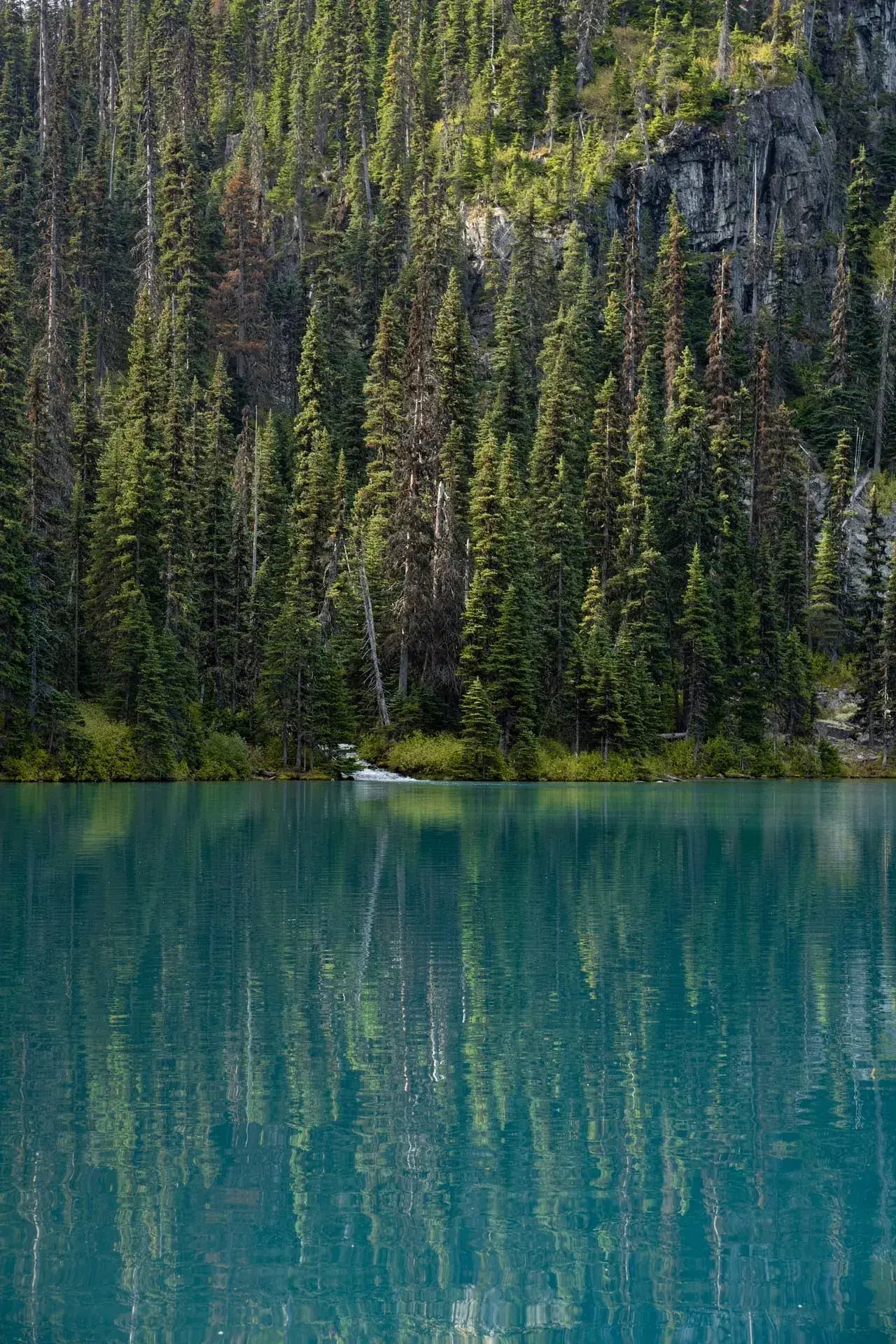
After all that, it would be fair to ask why I do not just shoot in a studio. The answer is that nowhere else looks like this. The combination of glacier-fed rivers, old-growth forest, and the moodiness of coastal light produces images you simply cannot get in an easier place. The difficulty is the moat. Most photographers will not put up with it, which means the work that comes out of here is rare.
If you are planning a wedding, a tourism campaign, or any shoot that needs the real character of this region, that is exactly the difficulty I have spent years learning to work with. Get in touch and let us plan around the weather, not against it.
More to Explore
Book a session
Let’s make something worth printing.
See open datesResponse within 24 hours ◆ Terrace & Northern BC